Speaking of ART with Nancy Marks
By M. Sebastian Araujo
All of Life is a Journey, for an Artist it seems to be the stuff of life. Nancy Marks is an Artist whose narrative takes us along on that journey of discovery. Showing us ideas and ways of seeing that we might not have come to had we not. I have been looking from the sidelines for quite sometime now and was very glad to get a glimpse behind the scenes and learn how it evolves into a finished work …

What in the World around you affects your creativity?
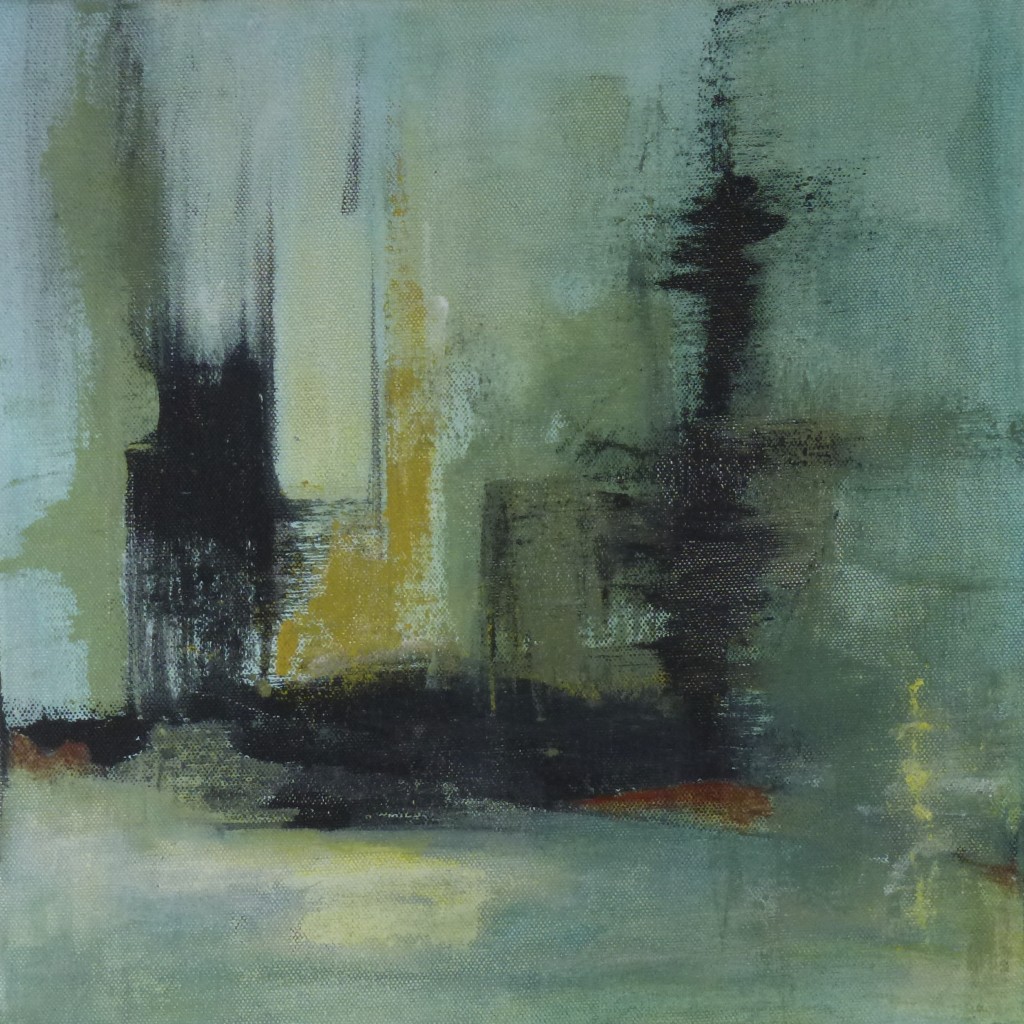
At the moment, I have two distinct subjects and approaches to my work. With Urban Abstraction, my art is both a dialogue between structure and the environment—like a set design waiting for the first actor to take the stage. Behind my marks, I am interested in how does constructed space separate or bring people together? This interest in the power of place can be traced back to my New York roots -hanging on neighborhood stoops, wandering the upper west side, or riding the #7 train. It is the foundation for my choice to live in the city and in my visioning as an artist.
But parallel to being an artist, I have also had a career in public health as a community organizer. Bringing people together is an important value and it comes up in my life over and over. Not surprising it has made its way into my art—both through my teaching seniors and in a body of work called the Intimacy of Memory, which is about grief, loss and healing.
How do you feel that technology has changed Art?
The world has gotten smaller and larger … which can be both alternately exciting and daunting. For me, the web is a place I go when I am stuck…at an artistic ‘dead end’. I can get lost looking at people’s palette of colors when I feel like I have gotten too entrenched in my own. Sometimes I use the internet to travel to the other side of the world…where I can see an image or structure that is new and exciting …and then use this image to move my work forward. On the other hand, what technology offers can be overwhelming and can contributes to a false sense that we really understand just because we ‘saw’ it. Seeing something on the web needs to kept in context. In this way, technology can both help break and make artistic cultural assumptions.
Why do people need Art?
I don’t like to romanticize art. It’s not food, shelter or clothing in the real sense of the word ‘need’. I am most comfortable thinking about art as a way to translate experiences, beliefs and senses for myself first and then, hopefully for others. What I will say is that without art, I believe a wide segment of society would feel silenced because, for many of us, this is the way we communicate that what is deepest inside. When artists make themselves vulnerable with their art, it gives viewers the permission to respond…to think out loud. One of my favorite moments when I have my work up in an exhibition is when I see two people who don’t know each other talk about the work. It almost doesn’t matter if they actually like the piece or not; I just like the fact it is playing a role in bringing people together.

Was there a “Shinning Lightbulb” moment in life when you knew you were or had to be an Artist?
Hmm…if only it had been so clear growing up, I might be a different person today. In retrospect, I can see that art has always been both an anchor and an escape route; my uneventful and boring school years tolerated only through the memory of the art projects: hand-drawn renditions of Stonehenge, a model N’debele village made from mud and grass and an eighth-grade project of a planned city created on half of our green ping pong table. As an adult, I would say that the moment I knew I needed to be an artist was at 28. I was going around Open Studios in Boston and I stopped in at Rugg Road papers. I saw a pulp painting made from hand-made paper…and I was hooked. I immediately started learning how to make paper…Since then my art-making has hopscotched from paper-making to printmaking to painting.
How do you begin to work on a project?
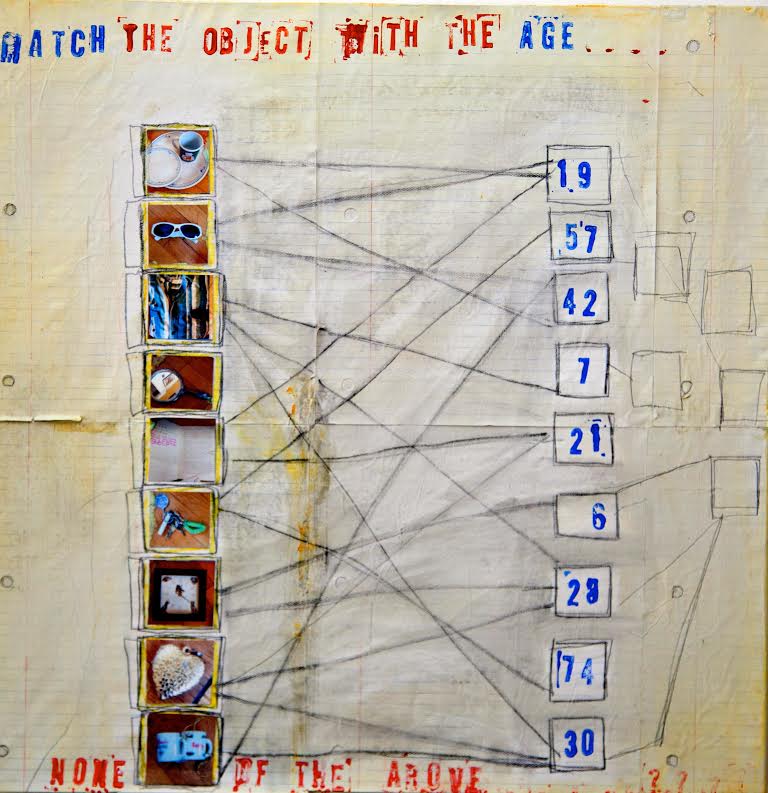
That’s a big question. In truth, it depends on what I am working on. For example, the class I am teaching at PAAM is called the Intimacy of Memory, and it is based on a body of work that had been in the making for fifteen years. The background to this work is this: After the mother of my adopted daughter, Taylor, died of HIV I had to decide what to keep for her that would retain the memory of her mother…not just as a six year old but as she got older. And I felt overwhelmed by the enormity of the choice…because I felt that whatever objects I kept, would affect and be central to the construction of her memories. Once Taylor reached adulthood, I realized I wanted to delve deeper into the idea of grief, memory and healing so I interviewed people about what objects they kept after a significant loss. My paintings were a response to these narratives and explored the role objects play in holding, shaping and prompting memory. Because of my public health work, I decided I wanted to create a community-based art workshop on grief, love and remembrance. The workshop approaches the subject of loss using art as a central connector to express something that all of us feel at a time of loss, which is a sense of deep connection.

What is it about Provincetown that keeps creative people either living there fulltime or drawing them to its shores?
I have been coming to Ptown for the past 25 years. I love to take classes as a way to get back to ‘beginners mind’ and to be with other artists and see how they access what’s inside themselves. I have had the opportunity to work with some real masters, which reminds me of the rich history Ptown has an art colony…Making art can sometimes be isolating and it is great to remind myself that I am part of something bigger. But to be honest, of equal importance is the sound and smell of the ocean. I just never get tired of it…beaches wide and long enough that I can walk and walk until I have worked out a problem.

In this ever evolving WORLD it is good to know that somethings may change, and others at the core remain the same…Art is created to stir the imagination. Provincetown is a place where that imagination finds a place to grow and develop and shine. How lucky to still be thriving and surviving in the craggy little coastal place set out far in to the Ocean…
For More About Nancy Marks Click Here :
April PAAM Workshop Info:
 0
0

 0
0