

There are more than 450 species of amphibians, reptiles, fish, birds, and mammals, and a myriad of invertebrates – dependent on the diversity of the high lands, the human lands, and the ecosystems – that one can find on the Cape Cod National Seashore. Whether it is all year round, or only during the nesting season, the migration during winter, the several species can find their habitat here. Twenty-five species that are currently protected by the federal government reproduce here, the most emblematic being the endangered species, the Piping Plover. The Cape Cod National Seashore helps 32 species that are rare or are on their way to extinction in the state of Massachusetts.
Birds
Cape Cod National Seashore Guidelines for Viewing Nesting Shorebirds
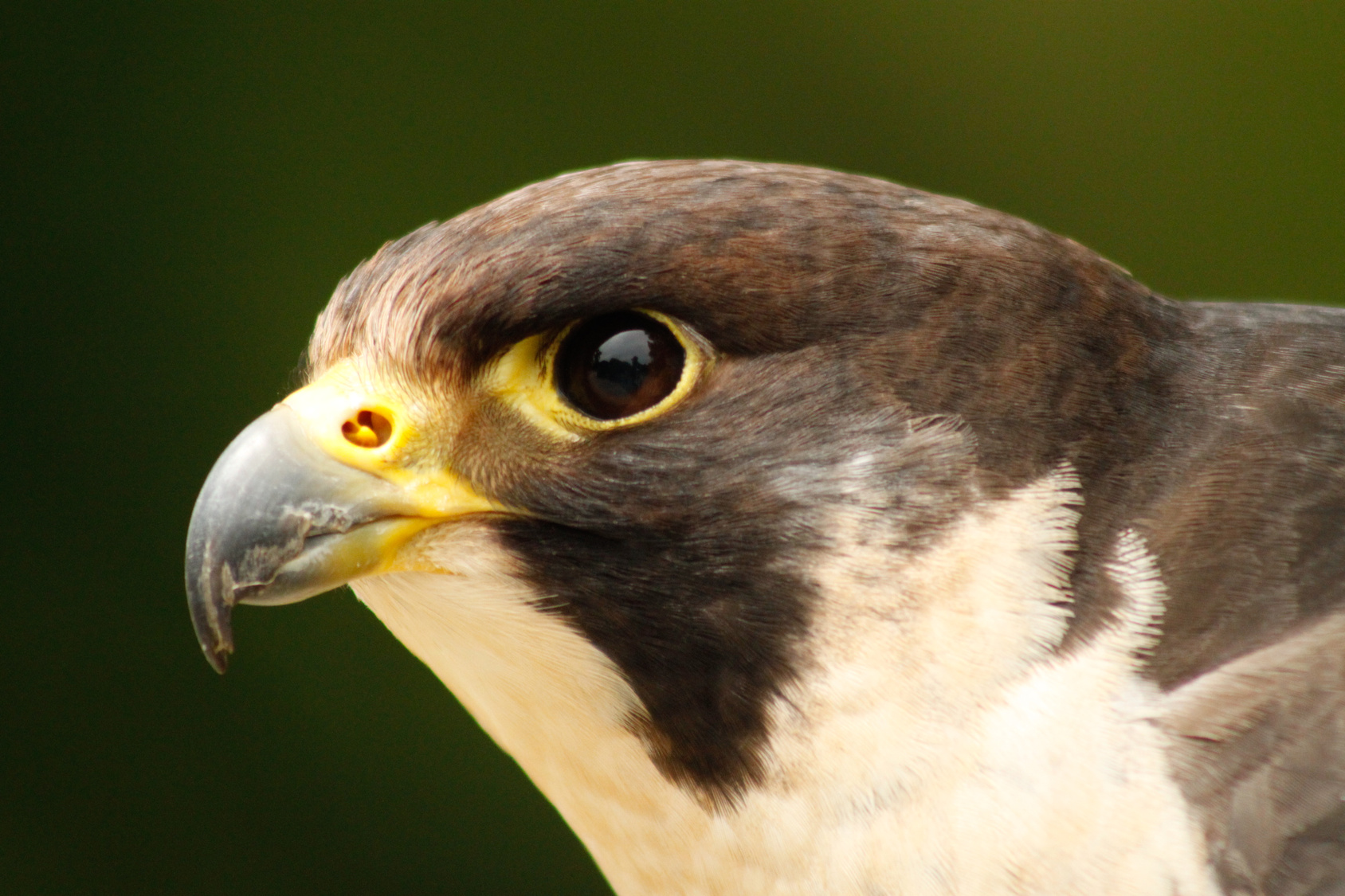
350 species of birds have been recorded Cape Cod National Seashore territory and just as many on neighboring islands, Nantucket and Martha’s Vineyard. Whether singing birds, river birds, ocean birds, migratory birds, they are everywhere on Cape Cod. The threatened species such as the Piping Plover (a small bird hidden in the sand resembling a sandpiper) is niched on the coastline; other threatened species frequent the territory such as the white-bald eagle and the falcon.
Sound of the piping plover:
Amphibians
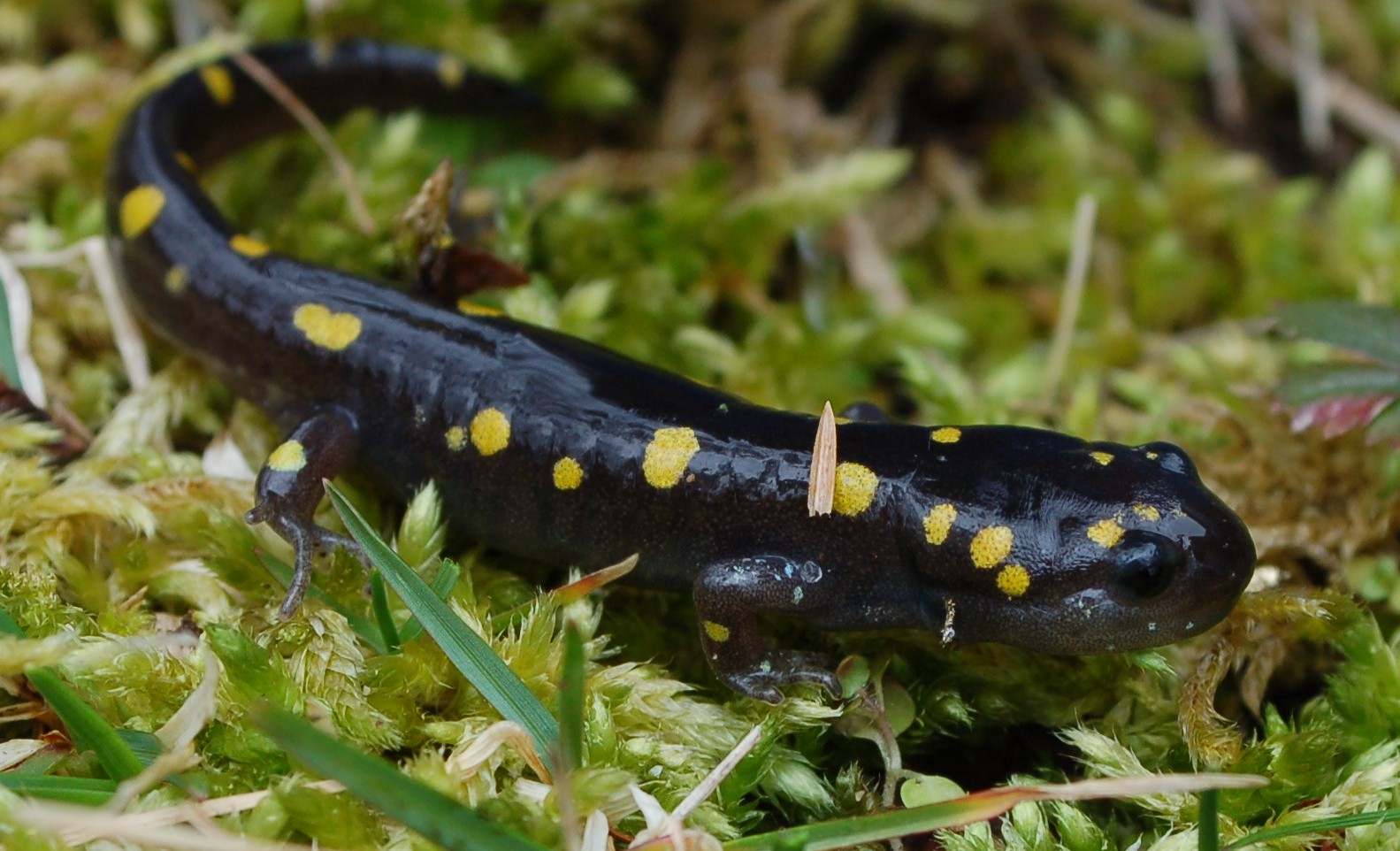
The abundance of ponds on Cape Cod makes it easy to observe the enormous quantity of amphibians. Twelve species of amphibians are known to exist on the Cape Cod National Seashore. A species of interest in particular is the oriental frog (Scaphiopus holbrookii). They can only be heard during the rainy nights of spring and summer.
Mammals
In the bay of Massachusetts, five miles north of Provincetown, the Stellwagen Bank National Marine Sanctuary plays a vital role in the local marine life, with its deposits of sand and its deep waters, carrying nutritive elements and necessary minerals to the development of the local ecosystem. The Bank has more than 130 marine species here, of which several are whales and dolphins such as the white dolphin.
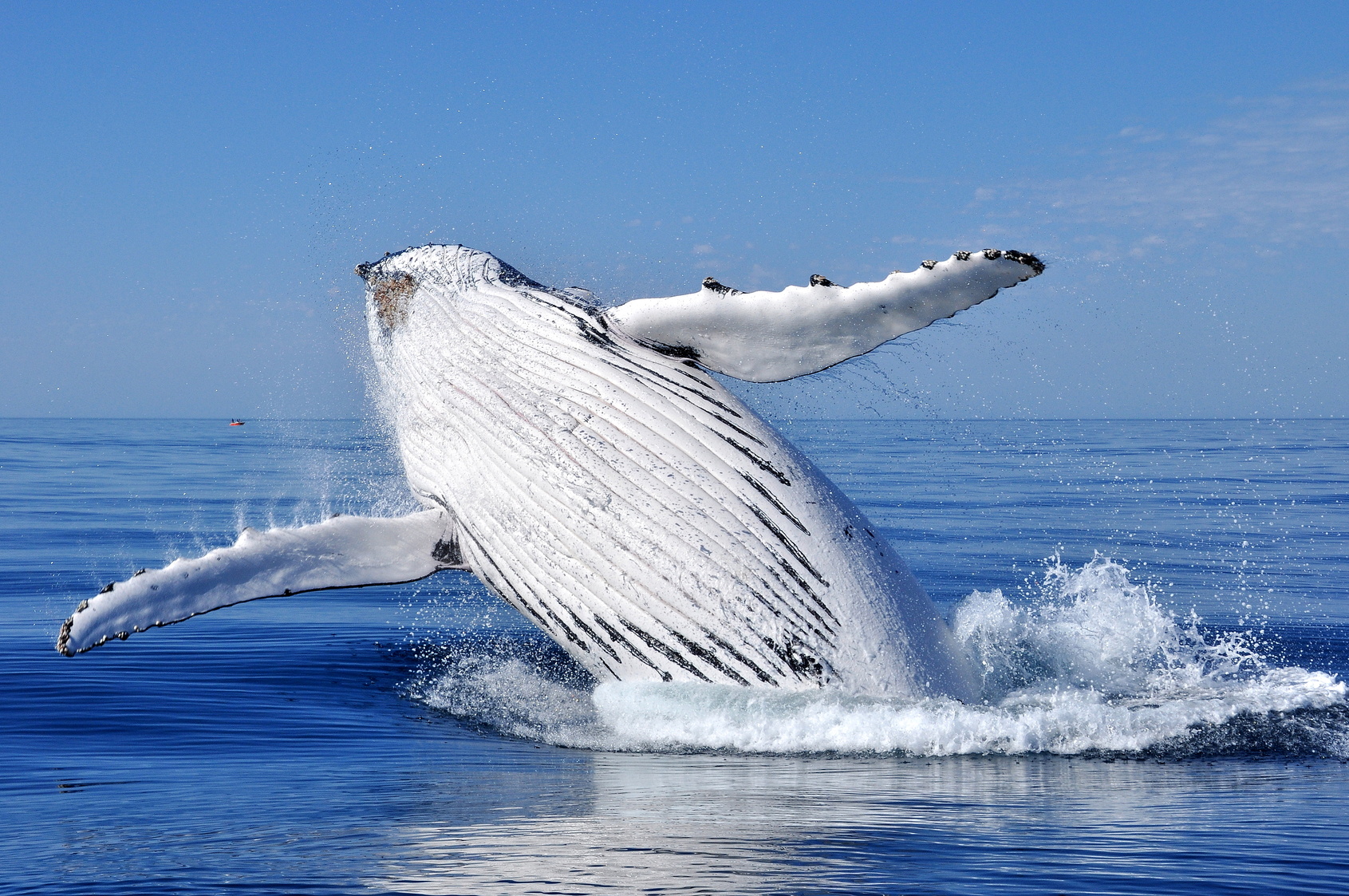
You can find four whale species on Cape Cod, the principal being the humpback whale. It measures between 39 and 50 feet, and is distinguished by its white fins. The humpback whale affectionately jumps and plunges for the pleasure for its observers on the whale watches. The right whale, slower than the others, and is more rare because it is an endangered species; only 350 of them remain in the entire North Atlantic. The two other species are the common rorqual, capable of being anywhere between 52 and 75 feet, known for its white jaw on one side and the dark on the other; the other species, the little rorqual, is small for its size of 19 feet, like its name implies.
Another species easy to observe on the rivers and beaches of the Cape and in Provincetown is the seal: the gray seal or the harbor seal is just as curious to observe you as you are to observe him. The males are around 770 pounds and six feet long, recognizable by their black pelt and their large and round head, gauging the visitors with their sweet eyes before plunging back in the water to find fish to eat. It is not advisable to touch them or swim with them for risk of getting bitten.
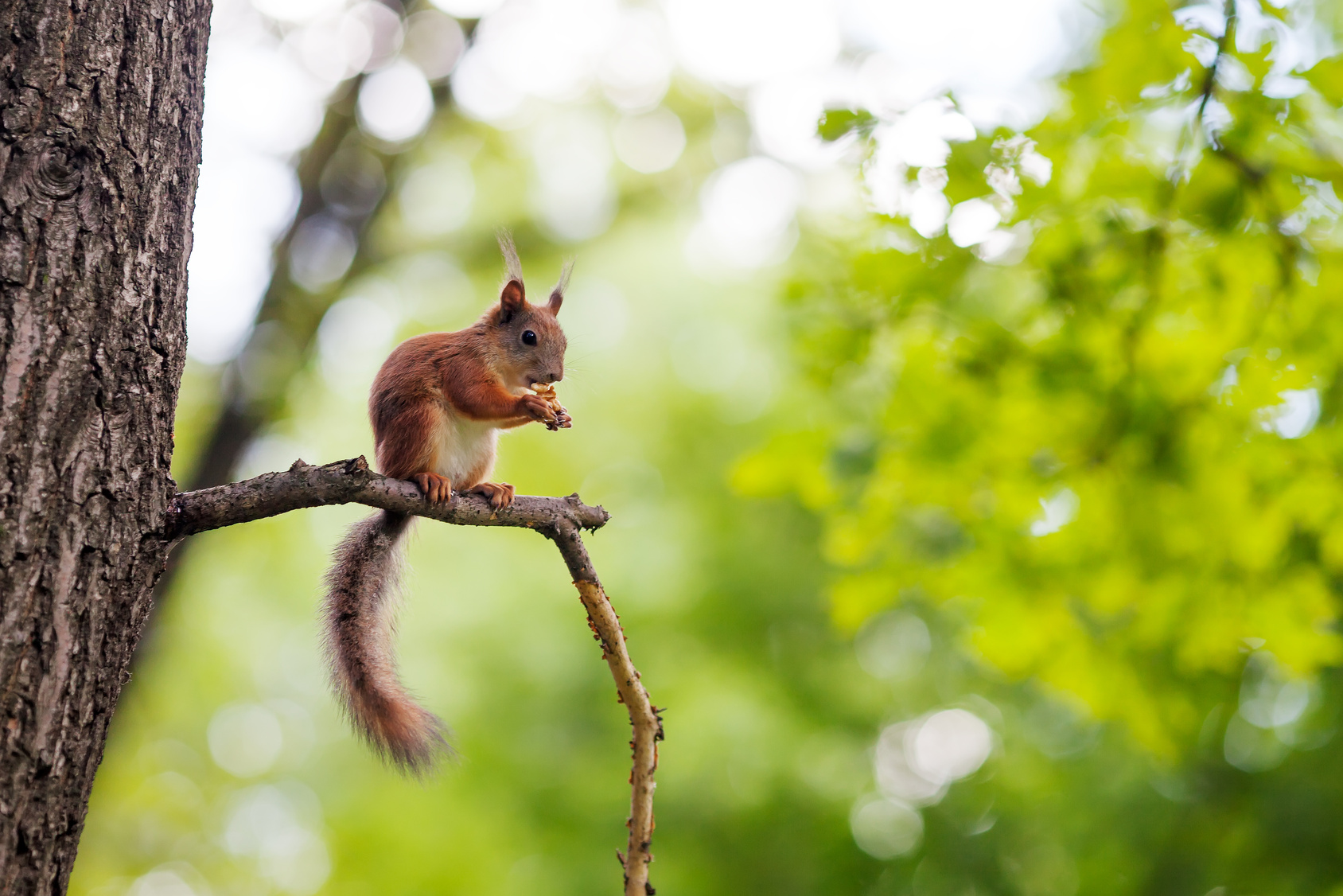
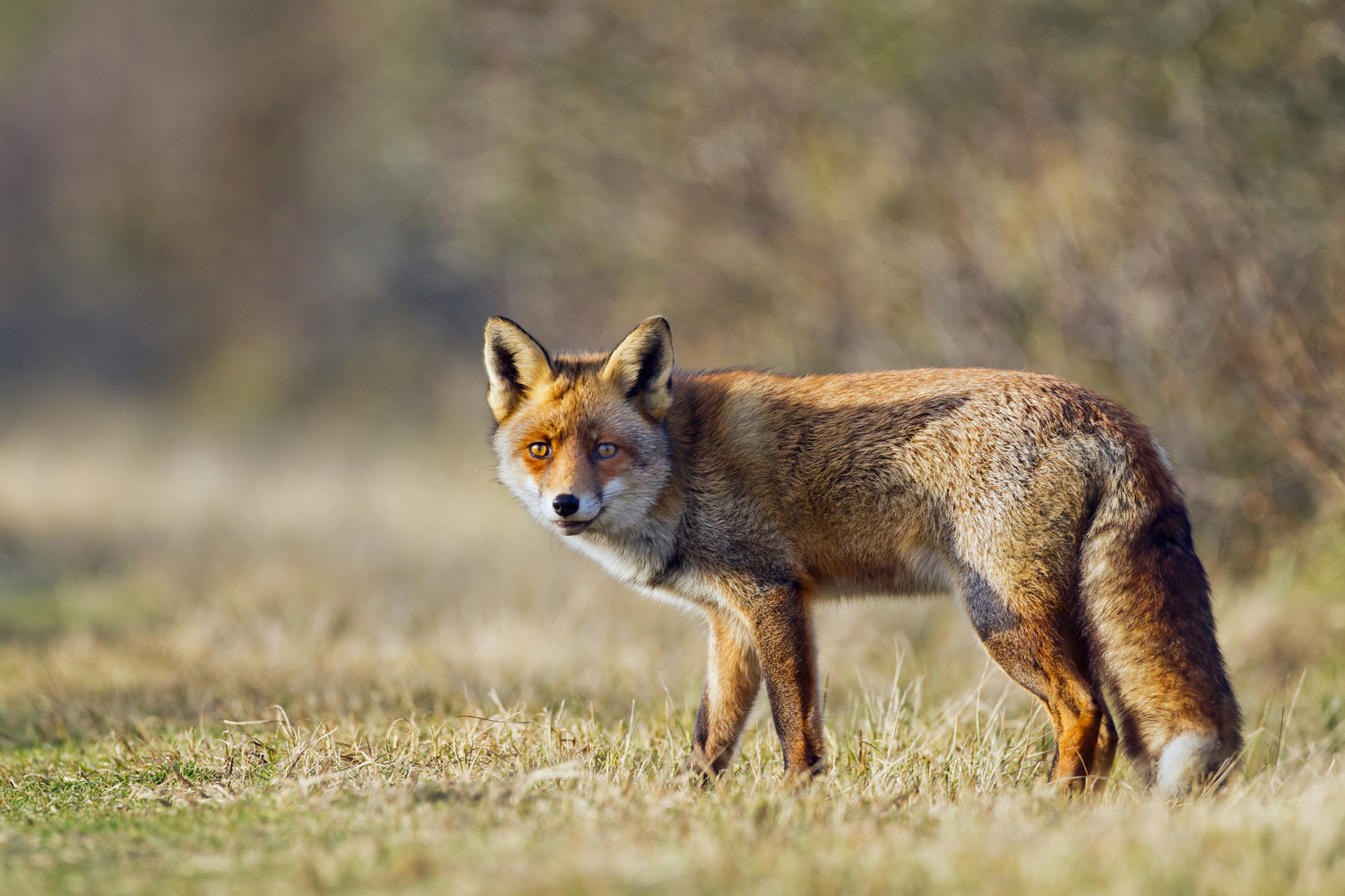
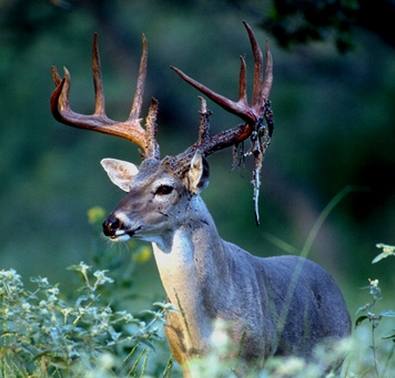
The rich marine life doesn’t mean you should ignore the terrain mammals, less diverse but necessary to the balance of the Provincetown ecosystem. One can see the small rodents such as small northern water vols, mice, the Eastern chipmunk, gray and red squirrels, but also raccoons, striped skunks, weasels, otter, mink, marmot squirrels, and more red foxes and coyotes. Don’t forget the white-tailed deer if you have a chance to see one of them!
Reptiles
The Cape Cod National Seashore is a protected area precious for reptiles. More than five species of marine turtles migrate and nourish themselves in the large waters, and there are 13 species of reptiles living on Cape Cod. Many of these species play an important ecological role, by consuming in great quantity small prey like insects, and serving as prey for the larger species of the fauna. (more: http://www.nps.gov/caco/naturescience/upload/CCNSGuidetoSnakes.pdf)
Mollusks and Fish
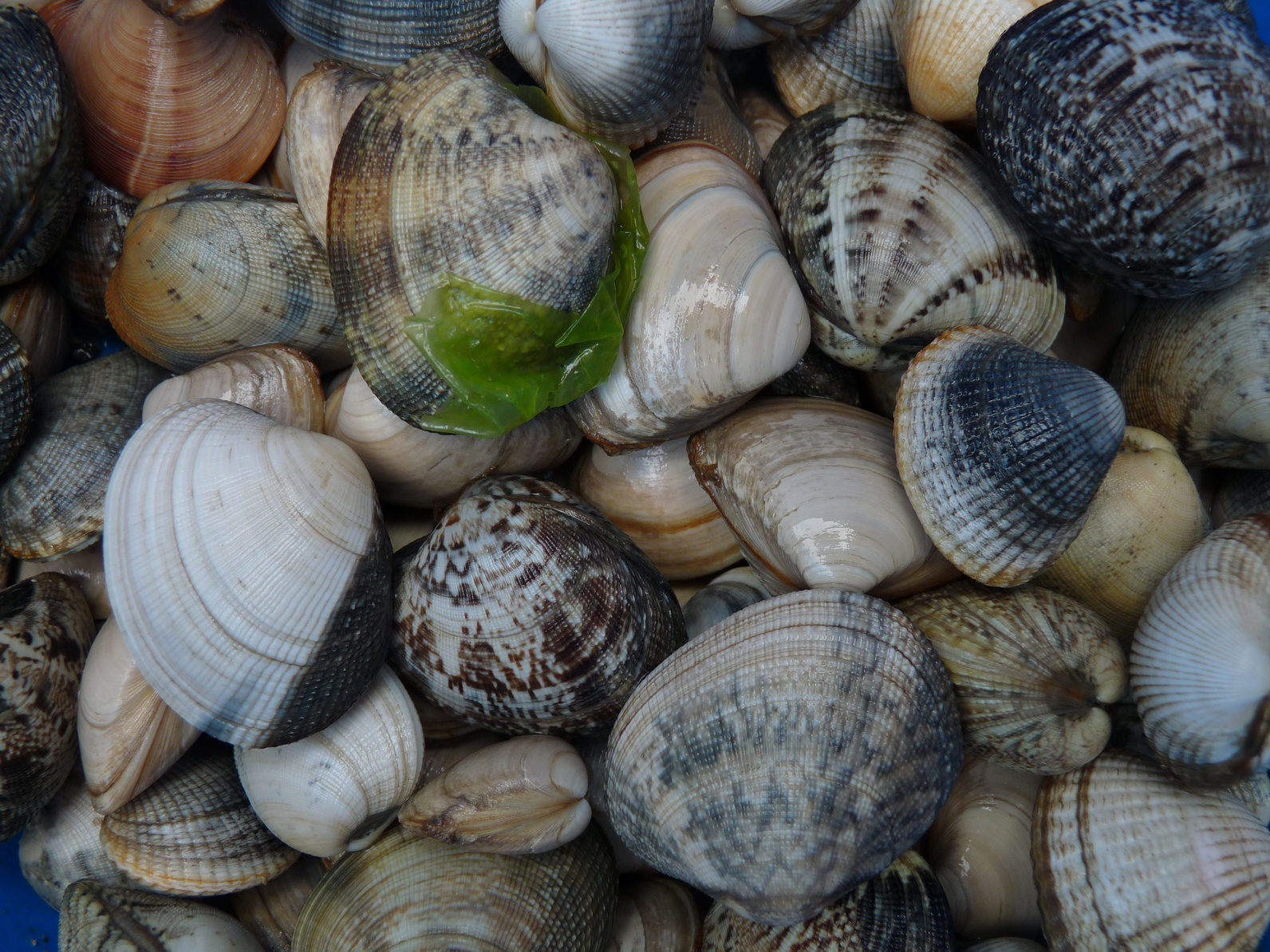
You can find almost an infinite variety of ocean invertebrates on Cape Cod – oysters, mussels, clams, and scallops, all of which have an integral ecological impact on this complex ecosystem. Don’t hesitate to try them as you can find them on the menus in all the restaurants of Provincetown!
Provincetown’s bodies of water are chock-full of fish, such as the sea bass or tuna for salt water, or the tripe or perch in freshwater.